Start with People, Not the PCB: When to bring in Industrial Design help
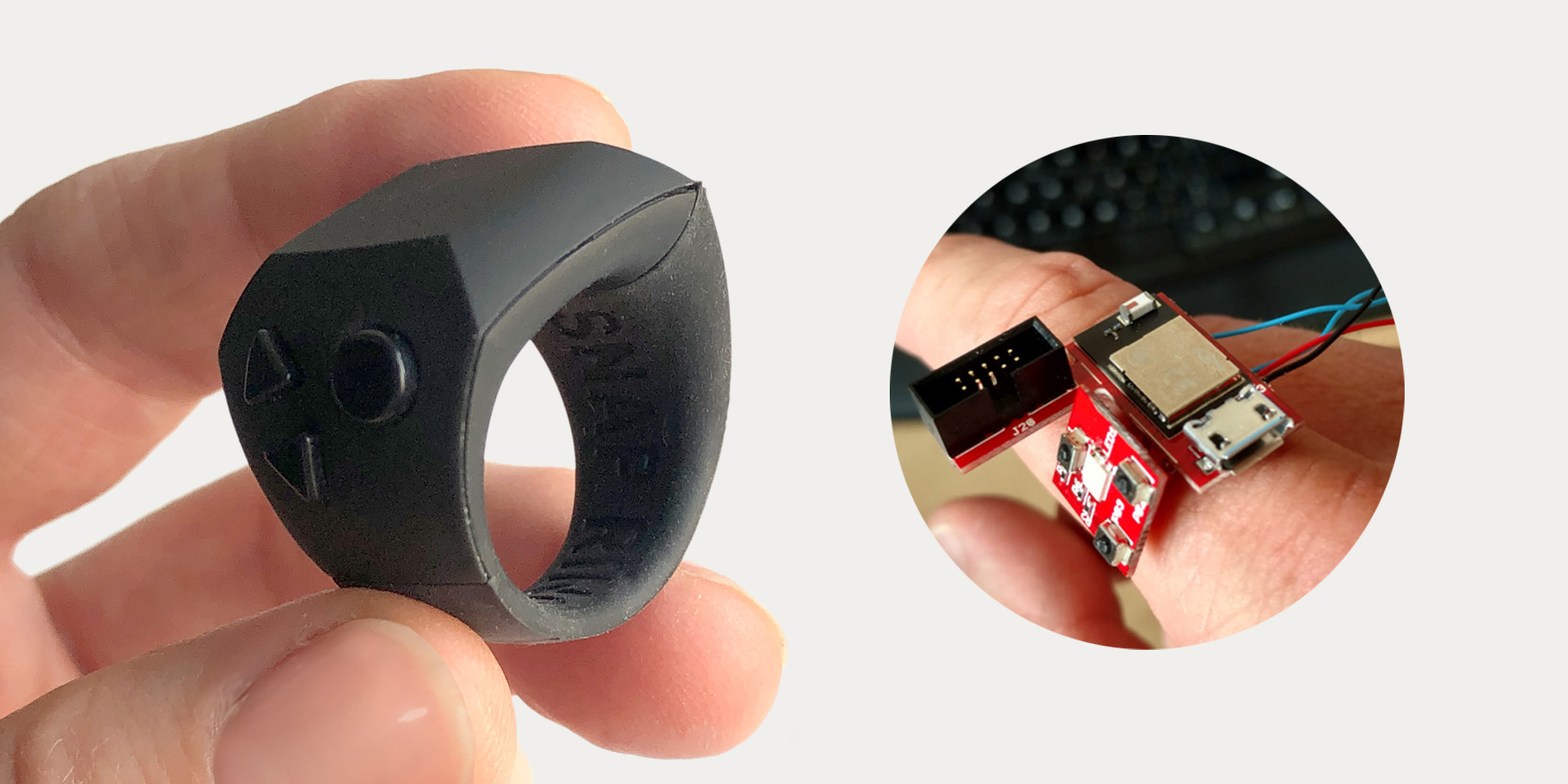
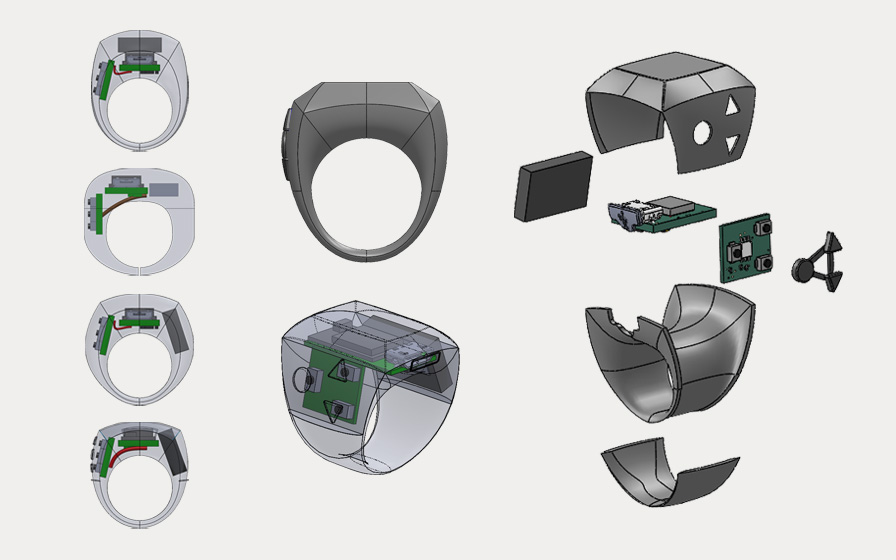
In the early stages, many hardware startups focus primarily on getting their electronics and software working. They often custom-build a PCB first, then bring in an industrial designer later to create a housing around it. However, once the board is set, it starts to dictate the product’s form, which limits the ability to design around real functionality, user experience and aesthetic appearance. This is especially challenging for handheld or wearable devices, where comfort, ergonomics, and usability are essential. Involving industrial designer early, before finalizing your board, leads to better outcomes, fewer compromises, and reduced redesign costs.
A Hardware Workflow to Consider in Three Steps:
One: Prototype with Flexible Platforms. Start with prototyping tools like Arduino, ESP32, or Raspberry Pi. These platforms allow you to test your electronics and software without locking into a final product shape.
Two: Define the User Experience and Product Form with Industrial Design. Once your electronics and software are functional, engage an industrial designer to shape the product’s form, ergonomics, and user experience.
Three: Design the Custom PCB to fit the form. After the product shape is clearly defined based on user needs, the custom PCB can be designed to fit within that form. This ensures the final product supports both functionality and user comfort.
In most cases, starting with flexible platforms like Arduino or ESP32 allows you to test functionality without locking into a final shape too soon. However, some products may require a custom PCB from the start, especially when space is limited, power or signal requirements are critical, or early regulatory compliance is necessary. Even in these cases, early collaboration between engineering and industrial design ensures the final product meets both technical and human needs.